
Turning urgency into action for behavioral health reform
Behind every policy is a person: a parent who can call a designated crisis line during a loved one’s mental health crisis. An adult who can now access intensive outpatient care instead of cycling through emergency rooms. A young adult who finds stability through housing and care coordination. Policy and advocacy help move the system toward what it should be: responsive, equitable, and built to meet people where they are.
Today, behavioral health is at the forefront of California policymaking. Billions of dollars are being invested in mental health and substance use care, and Californians expect real solutions to the systemic issues facing our behavioral health systems.
We embrace this challenge by advancing bold legislation that expands access to care, protects the rights of people living with behavioral health conditions, and directs funding to where it’s needed most. Each law we’ve helped pass brings California one step closer to a behavioral health system that works for everyone.
$5B
in funding for mental health and substance use initiatives for California secured
12+
Steinberg-sponsored legislation passed
7.7k
supportive housing units to be delivered for individuals with Serious Mental Illness (SMI)
988
suicide and crisis hotline framework established
Behavioral health policy rooted in real world impact
Our approach is grounded in evidence-based practices, implementation expertise, and deep collaboration. We work with lawmakers, county leaders, advocates, and care providers to ensure every policy we craft is actionable, equitable, and built to last.
Our legislative priorities are shaped by Vision 2030, the Steinberg Institute’s long-term initiative to reduce incarceration, homelessness, and hospitalization for people living with serious mental illness and substance use disorders. That vision also includes expanding California’s behavioral health workforce so that the system has the people and capacity needed to meet growing demand. Through this lens, we craft legislation that addresses the root causes of system failure so that our policy fixes what’s broken and scales what’s working.

Modernize and strengthen California’s behavioral health workforce to meet the diverse needs of the entire state.

Reduce the number of unhoused people with mental illness or substance use disorder by half.

Reduce the number of people with mental illness entering our criminal justice system by half.

Reduce the number of people entering hospital emergency departments due to behavioral health crises by half.
Our 2026 legislative priorities
This year’s legislative priorities focus on breaking cycles of incarceration, homelessness, and hospitalization for Californians with serious mental illnesses and substance use disorders. View our legislative packages from previous years here.

Non-quantitative treatment limitations
AB 2011 aims to protect access to behavioral health care for millions of Californians.
Last year, the Trump administration announced it would no longer enforce important federal mental health parity protections. As a result, an insurer trade association filed a lawsuit against California to challenge the parity standards under SB 855, putting California’s own behavioral health parity law (SB 855) at risk.
This bill would codify the 2024 federal Mental Health Parity and Addiction Equity Act (MHPAEA) Final Rule into California state law to ensure that Californians retain strong, enforceable behavioral parity protections—regardless of changes at the federal level.
Just as California acted during the first Trump administration to codify key provisions of the Affordable Care Act, this bill takes a proactive step to Trump-proof federal parity rules and preserve access to care for millions of Californians.
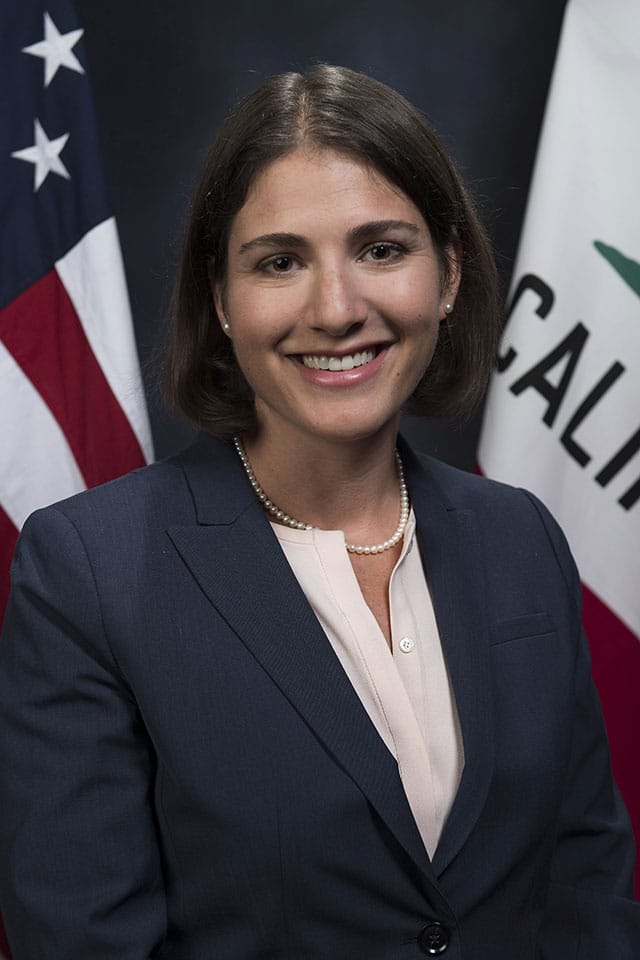
Strengthening California's crisis response system
When the Legislature passed AB 988 in 2022, California made a commitment to build a comprehensive behavioral health crisis response system: someone to call, someone to come, and somewhere to go.
As implementation has moved forward, several challenges have emerged that cannot be solved administratively alone: unclear statewide leadership and accountability, gaps in coordination between 988, 911, and mobile crisis teams, and funding processes that make it difficult to plan for future demand and system growth.
AB 2093 is a targeted cleanup bill that responds directly to lessons learned during implementation and addresses problems that cannot be fully resolved without statutory changes. By providing the governance, coordination, and planning tools needed to carry out the Legislature’s original intent, this bill ensures California can fully deliver on the promise of someone to call, someone to come, and somewhere to go.

Expanding access to Certified Peer Support Specialists
AB 2138 would expand access to peer support by requiring peers to be integrated into Enhanced Care Management (ECM) teams and by ending automatic employment disqualifications that exclude qualified candidates.
ECM provides intensive care coordination for Medi-Cal members with complex needs, but it does not currently require peers as part of care teams. Certified Peer Support Specialists—created under SB 803 (Beall, 2020)—bring lived experience of recovery from mental illness or substance use and have been shown to improve engagement in care, reduce emergency department use, and support housing stability. In addition, current background check practices can automatically disqualify otherwise qualified Peer Support Specialists from employment in public systems. This bill would prohibit automatic disqualification of Peer Support Specialists solely or primarily because of a criminal background check.
By removing two major barriers to peer services, this bill ensures Californians with complex behavioral health needs receive the right care at the right time.
Steinberg Institute's advocacy impact
From The Mental Health Parity Act (SB 855) to the 988 Suicide & Crisis Hotline (AB 988), the Institute has been involved in some of the most significant landmark legislation in behavioral health. Since 2015, our work has helped secure more than $5 billion for California’s mental health and substance use systems.
Why advocacy matters
Public systems don’t change on their own. Behind every major policy win in California’s behavioral health system is years of advocacy — persistent, strategic work to push mental health and substance use issues to the top of the policy agenda.
Advocacy is how we hold systems accountable and how we protect and expand access to care. At the Steinberg Institute, we use advocacy to:
- Shape legislation that transforms behavioral health systems by expanding access to and quality of care
- Center lived experience in the policymaking process
- Ensure policies are implemented effectively once passed
Want to learn how to shape policy, navigate budgets, and make your voice heard in California’s political system? Check out our Advocacy 101 Training Course here.