
October 13, 2025
AB 348
Ensuring our most vulnerable get immediate access to wraparound care

This law sets a new standard for caring for California’s homeless who are struggling with mental illness and addiction challenges by ensuring that our most vulnerable populations get immediate access to “whatever it takes” treatment, Full Service Partnerships (FSPs).
November 15, 2023
Launching our Vision 2030 initiative

Vision 2030 is our initiative that aligns policy, implementation, and accountability to improve outcomes for Californians with significant behavioral health challenges. Our goals: reduce cycles of homelessness, hospitalization, and incarceration for Californians with mental illnesses or substance use disorders — while strengthening and growing our behavioral health workforce.
September 29, 2022
AB 988
Launching the 988 crisis hotline
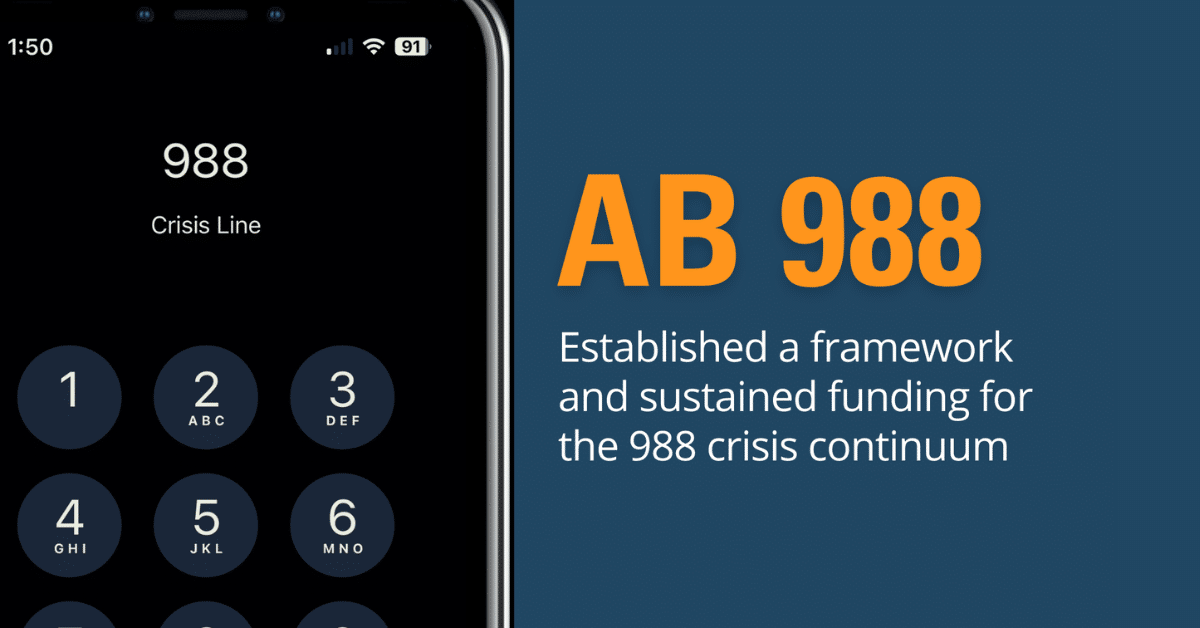
Key sponsor of first-of-its-kind law establishing a framework and ongoing funding for the 988 crisis continuum through a small telephone line fee.
Secured $20 million to launch California’s 988 hotline for mental health crisis calls, ensuring California leads the way in connecting people in crisis with trained mental health professionals.
September 29, 2020
AB 1766
Housing for people with mental illness

The state is now required to collect critical data on board and care homes that provide a crucial housing option for people with severe mental illness.
September 29, 2020
AB 890
Addressing the workforce shortage

Made an immediate impact on the workforce shortage by allowing licensed nurse practitioners to work at the top of their license without direct physician oversight.
September 25, 2020
SB 855
Requiring insurance coverage for mental health
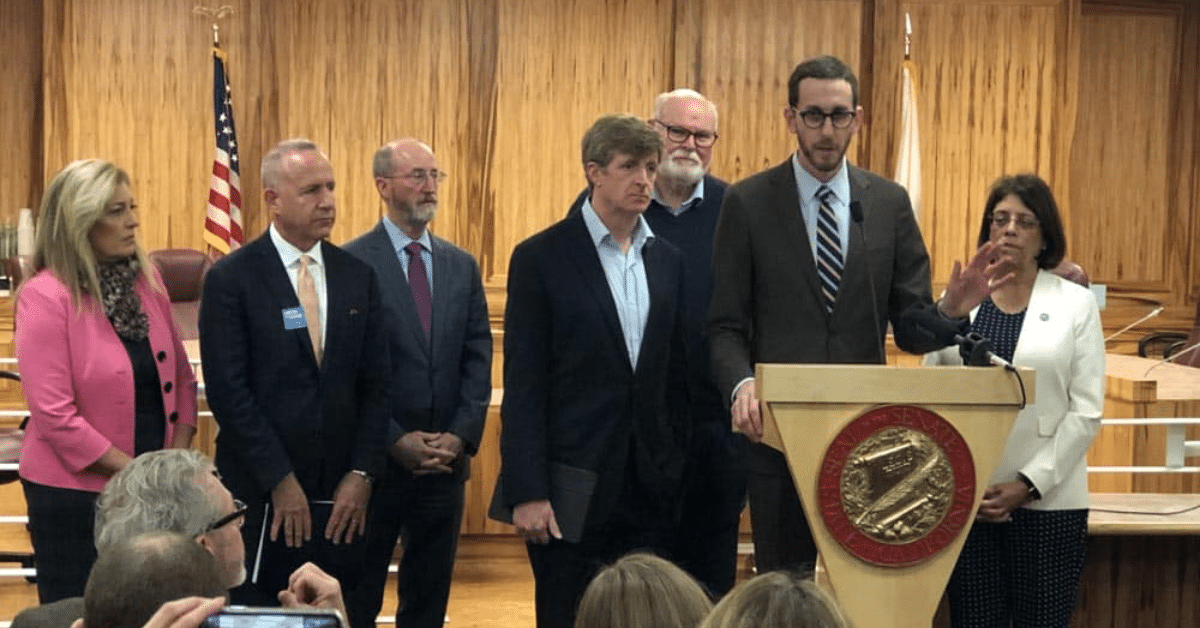
Established California as the first state in the nation to require true parity, commercial health insurers are now required to cover needed mental health and addiction services, just as they cover treatment for physical health.
September 25, 2020
SB 906 / SB 803
Certifying people with lived experience for support
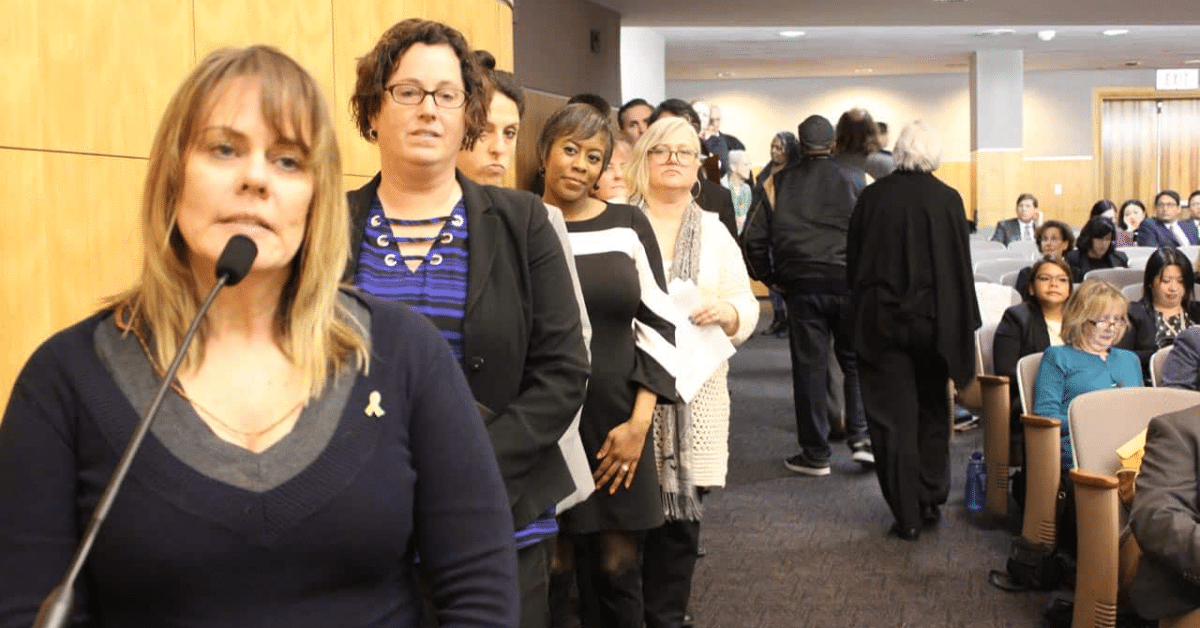
Brought California in line with the rest of the nation by creating a peer support specialist certification process. Now people with lived experience who have received training can provide (and be paid for) invaluable support to people seeking care.
November 6, 2018
Proposition 2
Housing for homeless facing mental illness

Secured the Governor’s, legislature’s, and voters’ support to leverage up to $2 billion in bonds, by redirecting existing state funds to build up to 20,000 permanent supportive housing units for people who are homeless and live with a serious mental illness.
September 30, 2018
SB 1152
Safe discharging of hospital patients

Instead of discharging homeless patients onto the street, hospitals now must develop discharge plans to ensure they end up in a safe place.
September 11, 2018
SB 1113
Workplace mental health support
Led the way to ensure the state develops and promotes the first-ever voluntary standards for workplace mental health. It’s time people who live with a mental illness are accommodated at work.
October 13, 2017
AB 1340
Training for primary care providers

Primary care providers now receive the basic training they need to recognize the symptoms of common brain health conditions and provide appropriate treatment or referrals.
October 2, 2017
AB 1315
Early detection of serious mental illness
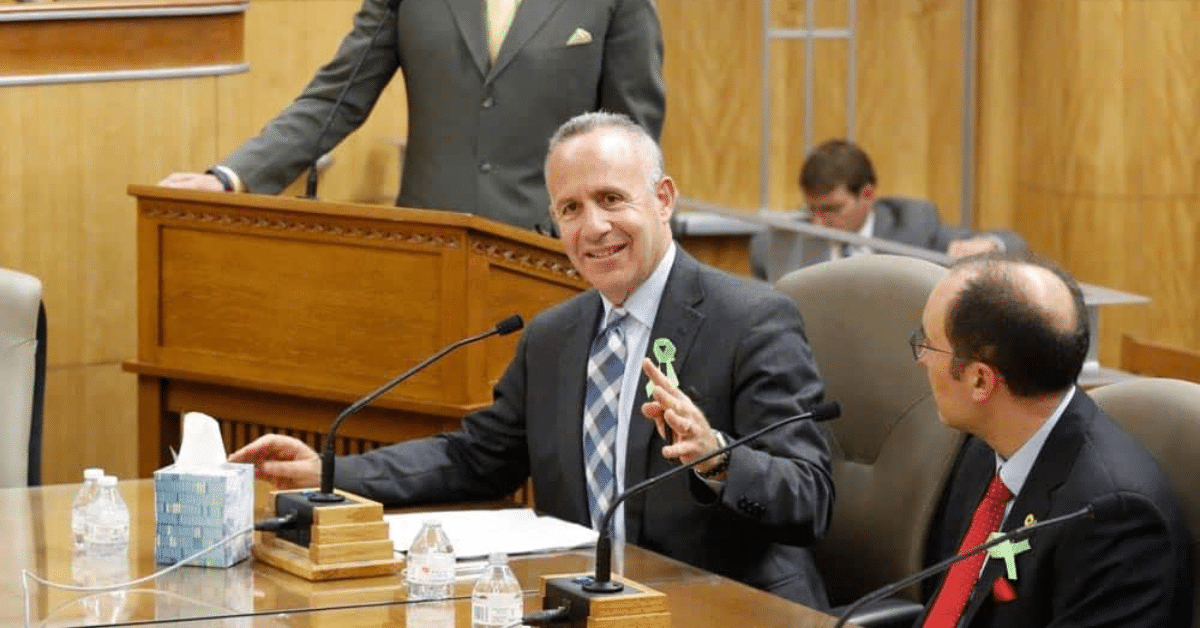
Inspired the first of its kind public-private partnership to fund evidenced-based treatment for the early detection of psychosis and other symptoms of serious mental illness in young people before they become disabling.
September 25, 2016
AB 1299
Supporting foster youth

A 20-year gap in services for foster youth was closed by creating an immediate transfer of services and payment to ensure that these vulnerable young people receive an uninterrupted continuum of care when moving from one county to another.
October 3, 2015
SB 11 / SB 29
Decriminalizing mental illness

California law enforcement now receives increased training for de-escalation techniques, decreasing the likelihood of deadly outcomes when responding to psychiatric crisis calls.
January 5, 2015
Steinberg Institute Founded

Darrell Steinberg launches the Steinberg Institute, dedicated to advancing sound policies on mental health in California.