This year, the Steinberg Institute’s sponsored bills are aligned with Vision 2030, an initiative focused on reducing the cycle of hospitalization, homelessness and incarceration for those living with behavioral health conditions.
The six pieces of legislation are aimed at funding behavioral health in the criminal justice system, reducing emergency department visits for behavioral health crises, improving behavioral health outcomes in the child welfare system, growing our behavioral health workforce, holding insurers accountable for providing substance use care, and keeping residential facilities open for our most vulnerable.
Our Primary Legislation

AB 2882, the Community Corrections Accountability Act, tackles the issue of poor behavioral health funding and reporting at the county level. More than half of people incarcerated in county jails have behavioral health needs, but most counties spend less than 15% of their criminal justice funding on behavioral health services. At the same time, the way counties keep track of their spending and outcomes is inconsistent and spotty.
This bill, authored by Assemblymember Kevin McCarty, calls for more behavioral health stakeholders to be included in the planning process for spending these dollars so that a more representative set of experts are at the table when budgeting decisions are made. The bill also calls for better reporting on how that money is spent and proposes the development of a public dashboard that tracks both dollars and outcomes.

AB 2700 focuses on reducing unnecessary and traumatic emergency department visits for people in behavioral health crises. Authored by Assemblymember Jesse Gabriel, the bill increases access to behavioral health treatment locations other than emergency rooms. Examples include crisis stabilization units and sobering centers.
This approach builds on the success of the 988 and connects individuals in crisis to appropriate care. The bill requires the state to analyze what facilities are currently available and would require local governments to develop a plan for transportation to these types of locations.

AB 1907 aims to hold California counties accountable for improving the behavioral health outcomes of children and youth in the child welfare system. Authored by Assemblymember Gail Pellerin, it is called the Child Welfare Behavioral Health Data Integration Act.
It would leverage existing outcome data already collected using the Child and Adolescent Needs and Strengths (CANS) tool to improve behavioral health outcomes for children and youth involved in child welfare systems statewide. By integrating this data into the Child Welfare Indicators Projectstate leaders would be able to rebuild the systems needed to help youth build resilience and achieve lifelong well-being.
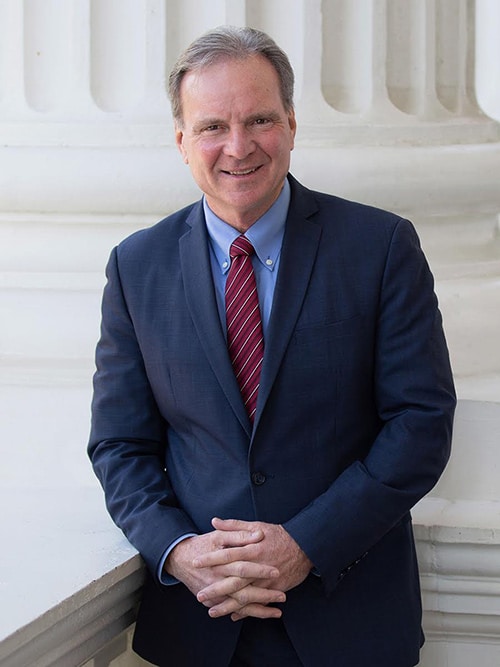
SB 999 addresses tactics, like the use of untrained review personnel, that insurance companies currently use to deny substance use care. Authored by Senator Dave Cortese, the bill would establish criteria for health plans and disability insurers that safeguards patient access to timely substance use treatment.
It would ensure that treatment reviews are conducted by professionals trained in substance use treatment criteria, and create more accountability and transparency. The bill builds on California’s existing mental health parity law also sponsored by the Steinberg Institute.