
At this year’s Vision 2030 Solution Symposium, leaders convened to discuss how to ensure California’s behavioral health reforms translate into real outcomes.
California’s behavioral health system is at an inflection point. In recent years, the state has made significant investments and advanced major reforms aimed at improving alignment, expanding access, and driving better outcomes.
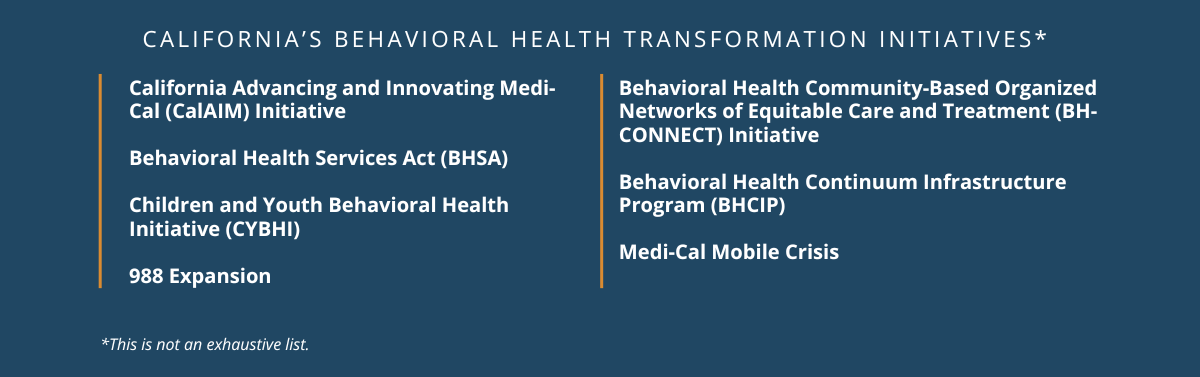
At the same time, shifting federal priorities and funding uncertainty, including changes introduced through HR1, underscore the importance of strengthening and sustaining California’s progress.
At this year’s Vision 2030 Solution Symposium, leaders across policy, healthcare, community organizations, and lived experience came together to examine what comes next. Across six panels, each tackling some of our biggest challenges as a state—homelessness, incarceration, crisis response, system fragmentation—key themes emerged on the challenges, opportunities, and strategies to building an accessible, effective system for every Californian.
The next phase of reform will be defined by implementation, not new initiatives
Recent reforms have laid the foundation, but implementation will determine their impact. Panelists discussed how translating policy into practice requires coordination across counties, providers, and systems that were not designed to work together.
Across discussions, leaders pointed to what effective implementation requires: bringing partners across sectors to the table, aligning around shared goals, and building systems that can adapt in real time. Amity Foundation President & CEO Doug Bond and former Center for Substance Abuse Treatment (CSAT) at SAMHSA Director Dr. Yngvild Olsen highlighted the importance of iteration—testing approaches, learning from what works, and refining models based on real-world outcomes. Former State Senator Susan Eggman emphasized the need for nimble systems that can respond to changing needs, rather than rigid program structures that limit flexibility.
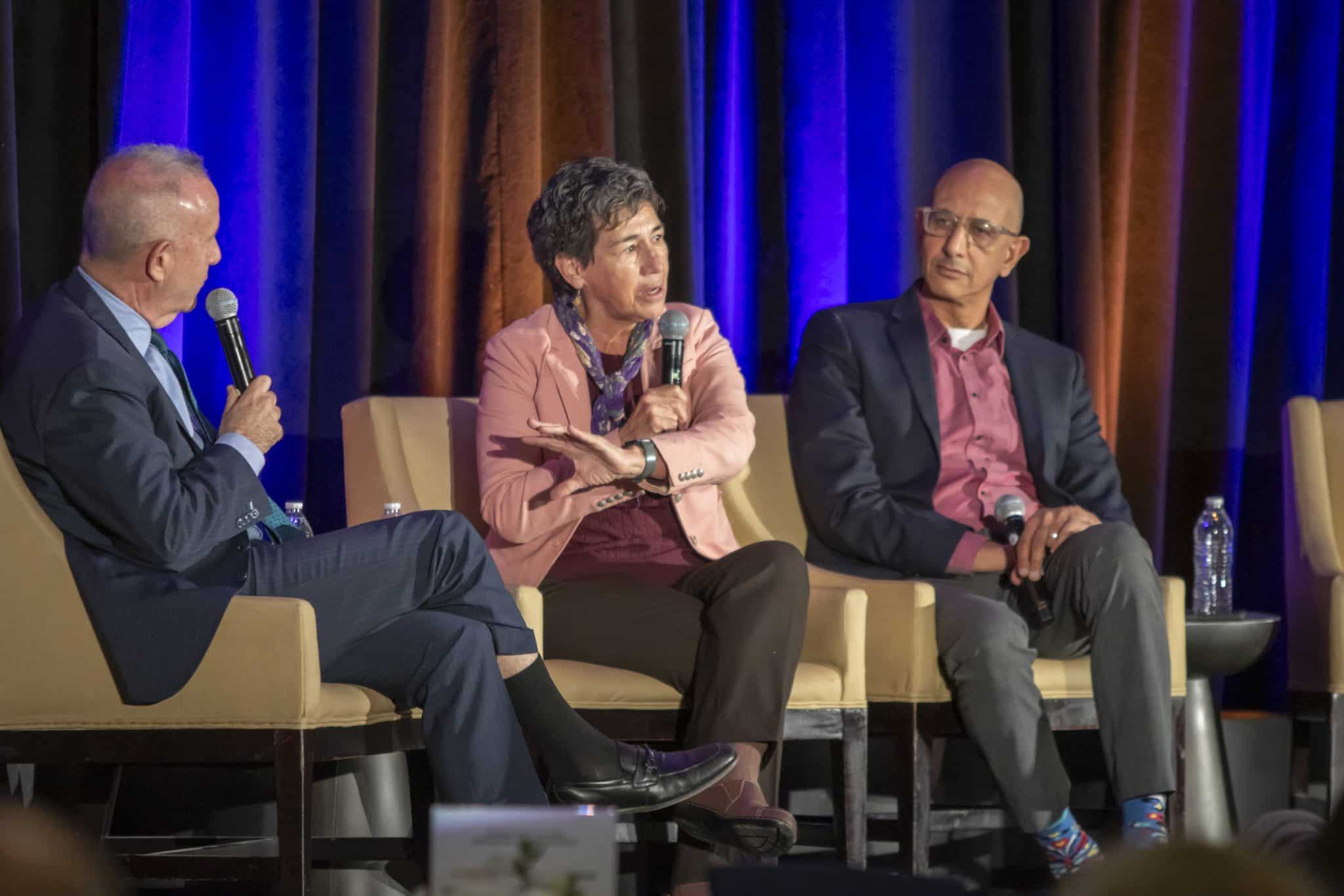
Left to right: Darrell Steinberg, Senator Susan Talamantes Eggman, and Dr. Mark Ghaly
Former Medicaid Director Jacey Cooper and former Director of California Health and Human Services Dr. Mark Ghaly reinforced what good implementation looks like: outcomes-focused, collaborative, and grounded in accountability. That means not only investing in programs, but ensuring they deliver measurable impact and making adjustments when they do not.
“It’s going to take everyone in this room…to keep pushing forward…in the same half a decade we moved from a place where you could get away with just talking about it to now…you have to prove it. You have to show some of the outcomes.”
Dr. Mark Ghaly, Former Director of California Health & Human Services
Fragmentation across systems continues to limit access, coordination, and outcomes
Across panels, fragmentation emerged as a central barrier to providing consistent care across a person’s recovery journey. Behavioral health, housing, healthcare, and justice systems often serve the same individuals but operate with separate funding streams, requirements, and accountability structures.
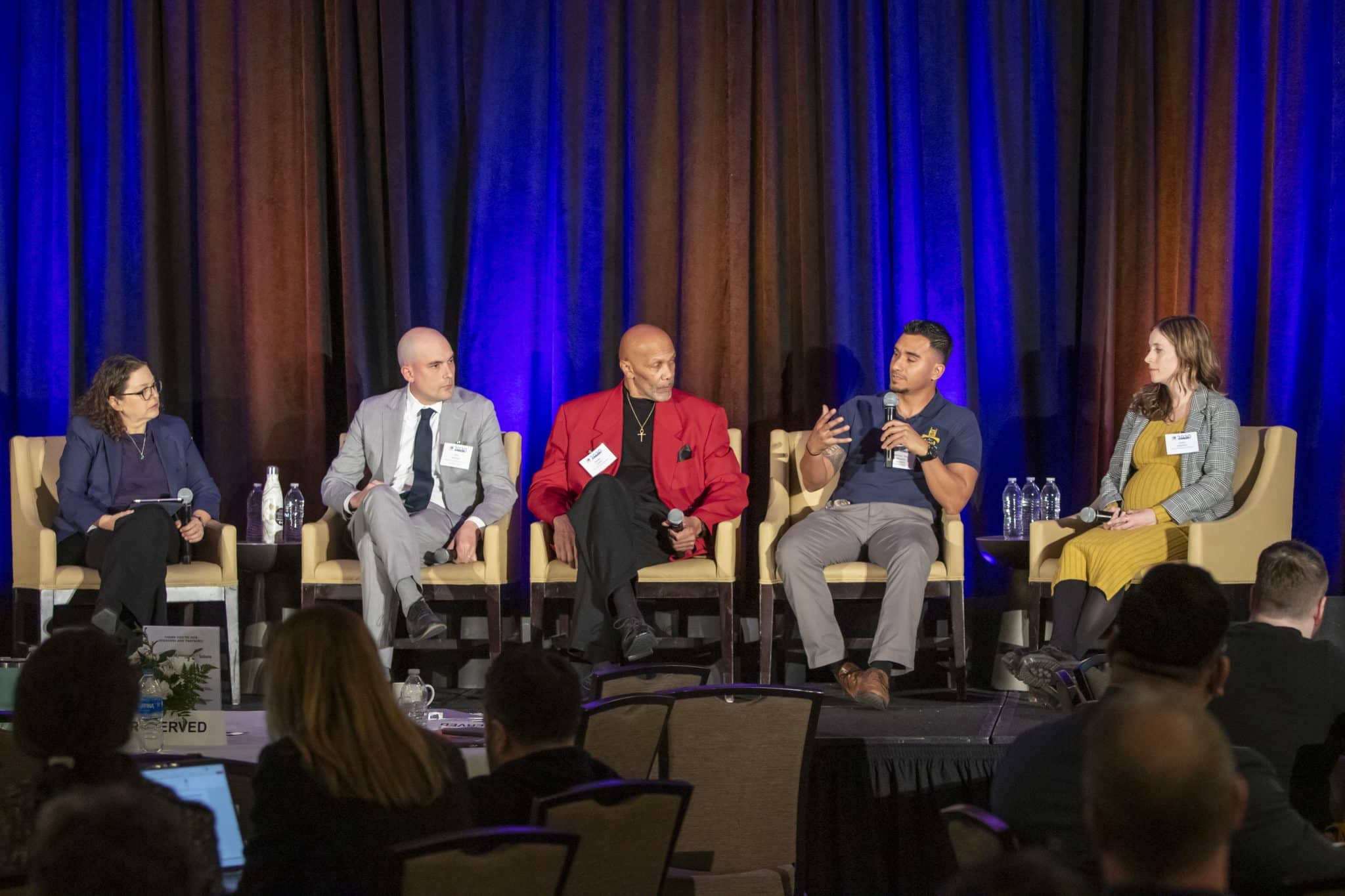
Left to right: Dr. Margot Kushel, Alex Visotzky, Randy Carter, Anthony Menacho, Claire Simonich
Cooper emphasized that while the goal is coordinated, person-centered care, systems remain siloed in how they are financed and managed. Claire Simonich, Associate Director at Vera California, Vera Institute of Justice, reinforced that these disconnects have real consequences, with individuals cycling between systems that fail to coordinate care or share responsibility.
“We want coordinated care. We want integrated systems. We want to meet people where they are…But then we finance them all very separately and they all have different responsibilities, different accountability.”
Jacey Cooper, Former Medicaid Director
Other panelists pointed to proven solutions, including integrated care models, diversion programs, and community-based services, but noted that fragmentation limits their ability to scale and deliver consistent outcomes for the individual.
“[It’s about] owning the person and not the system…When I saw my clients who had schizophrenia and meth use disorder. I would treat both. There would never be an appointment where I didn’t talk about their substance use, even though I was also treating their schizophrenia. It’s not the fact that I work in the Specialty Mental Health system, and this is the line that I draw and once this condition crosses over then it’s someone else’s responsibility….These are all ways that systems can own the person as opposed to owning the policies that are tied to that system.”
Gary Tsai, MD, DFAPA, FASAM; Director, Substance Abuse Prevention and Control (SAPC) Bureau, County of Los Angeles, Dept of Public Health
To align our systems, Eggman highlighted that past challenges between partners, specifically the state and county, need to be put aside: “it is critical the relationship between the state and the county…just because we had a fractured relationship before, we can start fresh and go forward and not blame each other for what happened, but really listen to each other on what needs to be done going forward to provide the services that we need.”
Workforce and infrastructure challenges remain major barriers to scaling solutions
Even where strong models exist, workforce limitations continue to constrain what is possible. Across panels, leaders described a system where providers face administrative burden, burnout, and complex funding requirements. At the same time, workforce pipelines too often disincentivize people entering the workforce due to high costs, challenging licensure requirements, and lack of specialty training.
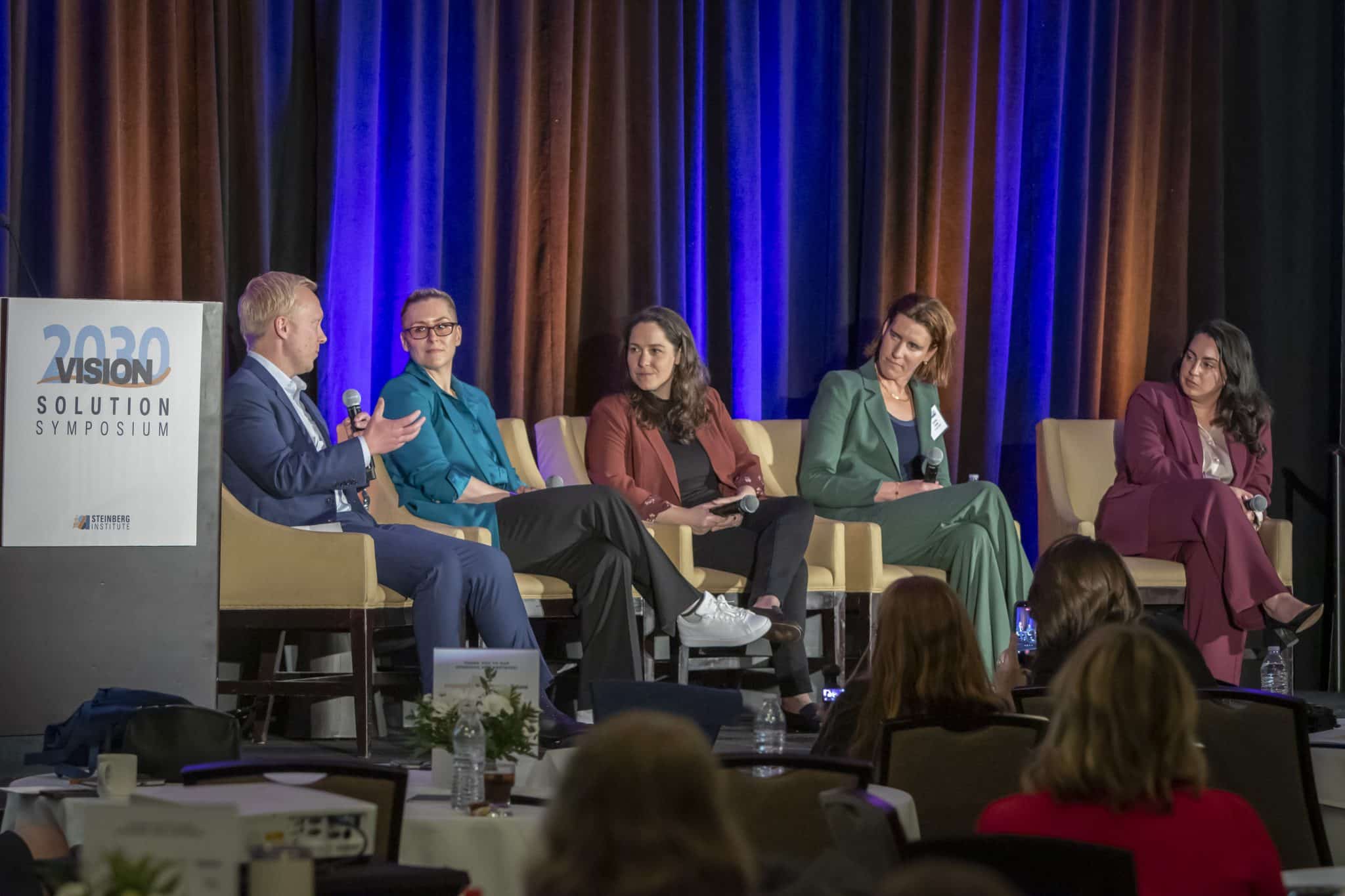
Left to right: Andrew Barr, Dr. Tully, Elise Witek, Dr. Claire Fenkel, Noa Oldak-Moradian
Infrastructure gaps across data systems, care capacity, and coordination tools also limit the ability to scale effective models and contribute to workforce burnout. Elise Witek, Senior Director of Partnerships at Eleos Health, and Dr. Tully, Vice President of Partnerships at Kooth Digital Health, highlighted how technology can support the workforce by reducing administrative burden and improving efficiency, while also cautioning that these tools must be implemented thoughtfully and with appropriate guardrails.
“You can’t imagine doing everything we’ve set out to do without the workforce…We just have a lot of need, and I think the coupling of deeper partnerships among all of you…as well as bringing together important implementation tools…gives me a lot of hope.”
Dr. Mark Ghaly
Access to care requires sustained engagement—not just available services
Panelists emphasized that access to care is not just about whether services exist, it is about whether people engage with them. Across discussions on homelessness, substance use, and crisis response, there was a clear recognition that many individuals who need care are not accessing it — and strategies to expand access is crucial to getting positive outcomes.
95% of people with substance use disorders aren’t accessing services. Oftentimes, they say they don’t need services, or they’re not interested. I view this as us as a system looking in the mirror to figure out what we can be doing better, how we can better design the system to better engage the group of people, the very significant group of people who are not actually accessing services.”
Dr. Gary Tsai
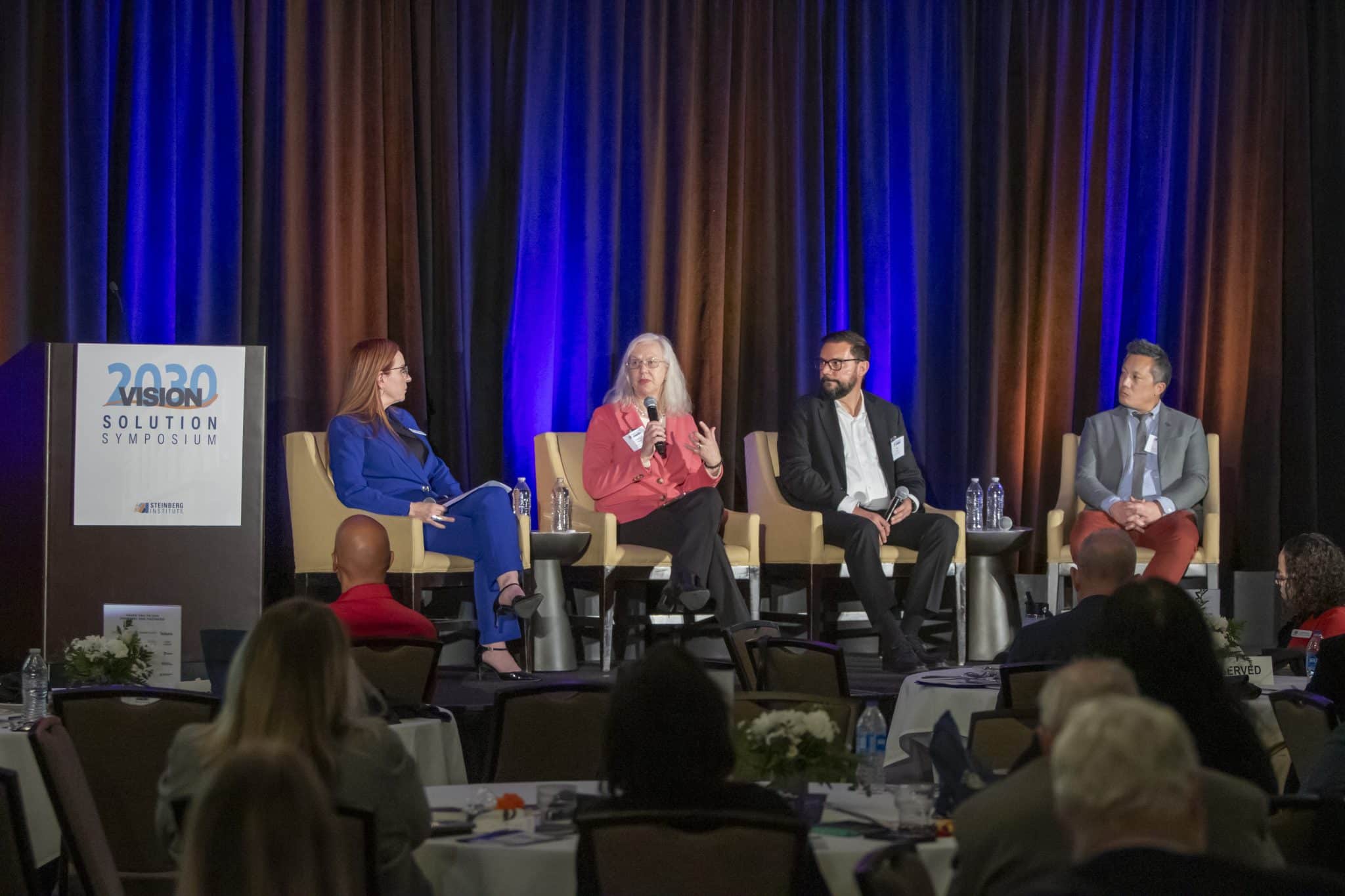
Left to right: Karen Larsen, Dr. Yngvild Olsen, Doug Bond, Dr. Gary Tsai
Engagement requires trust, persistence, and continuity. Sacramento Street Medicine’s Executive Director, Anthony Menacho, and Peer Counselor Randy Carter, discussed the misconceptions that outreach is a one-time intervention. They shared examples of how outreach is a relationship-based process that requires patience to help people get care they need.
“It takes trust. It takes more than one visit, two visits, or three visits to build that trust over time…But it takes time, and it takes training systemwide in that respect.”
Anthony Menacho, Executive Director of Sacramento Street Medicine
The system must be designed around the full continuum, emphasizing “whole-person” care
Across panels, leaders emphasized that effective behavioral health systems must reflect how people actually experience care, not how programs are structured. Today, services are often designed as discrete programs with separate eligibility criteria, funding streams, and timelines. But individuals do not experience their needs in silos.
“We should be looking at generational cycles. I’d love to see us start looking at more 30-year outcomes and how we’re helping children and their children to never have these experiences.”
Doug Bond, President & CEO of Amity Foundation
Designing around the full continuum means building systems that follow individuals across settings, from prevention to crisis to recovery and stability. It means ensuring care does not reset at each transition point, and that individuals are not forced to navigate complex systems on their own while in crisis. Panelists emphasized that reorienting systems in this way is essential to improving access, engagement, and long-term outcomes.
Moving forward will require working together to deliver results
California has made meaningful progress in elevating behavioral health as a statewide priority. The next phase will determine whether that progress translates into lasting impact.
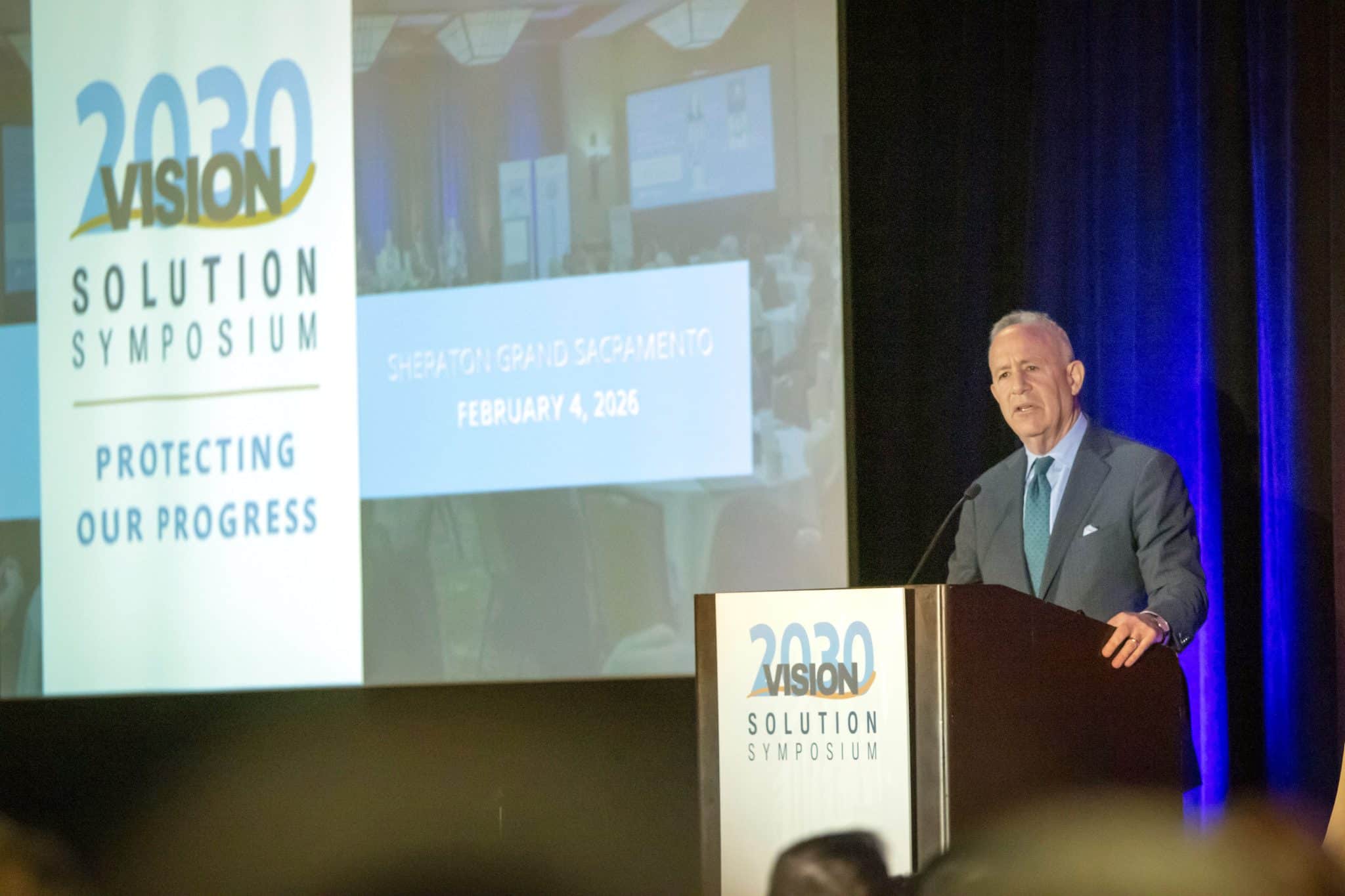
The path forward is about whole person care and working to ensure Californians can access high-quality care whenever and wherever they need it, and collaboration and partnership is the key to making this work. Steinberg Institute Founder Darrell Steinberg said it best:
“If you’re a leader in the city, the county, the state, the school board, we all have the same constituents and they actually don’t care who’s responsible for what. They just want it to be better. We always have to step back and say it’s not us versus them. We all represent the same people.”
Darrell Steinberg, Founder of the Steinberg Institute